Blockchain technology, as a groundbreaking innovation in the field of information technology, has gradually transcended its initial association with cryptocurrencies to emerge as a transformative force across diverse industries. Rooted in principles of decentralization, immutability, and transparency, blockchain offers a secure and efficient framework for data management and value transfer. This article explores the core concepts of blockchain and its wide-ranging applications, with a particular focus on its global relevance and English-language contexts in sectors such as finance, supply chain, healthcare, and digital identity.
Understanding Blockchain Technology
At its core, a blockchain is a distributed, immutable digital ledger that records transactions across a network of computers. Unlike traditional centralized systems (where a single entity controls data), blockchain operates on a peer-to-peer (P2P) network, ensuring that no single node can alter the ledger unilaterally. Each "block" of data contains a cryptographic hash of the previous block, creating a chain that is virtually tamper-proof. Key characteristics include:
- Decentralization: No central authority governs the network; instead, consensus mechanisms (e.g., Proof of Work, Proof of Stake) validate transactions.
- Immutability: Once data is added to the blockchain, it cannot be modified or deleted, ensuring auditability and trust.
- Transparency: All participants in the network can view transaction history (though privacy can be protected via encryption).
Core Applications of Blockchain
Blockchain’s versatility has led to its adoption across multiple industries, solving longstanding challenges related to security, efficiency, and trust. Below are some of the most prominent applications, with examples of their English-language implementations and global impact.
Financial Services
The financial sector was the first to embrace blockchain, driven by its potential to streamline transactions, reduce fraud, and enhance financial inclusion.
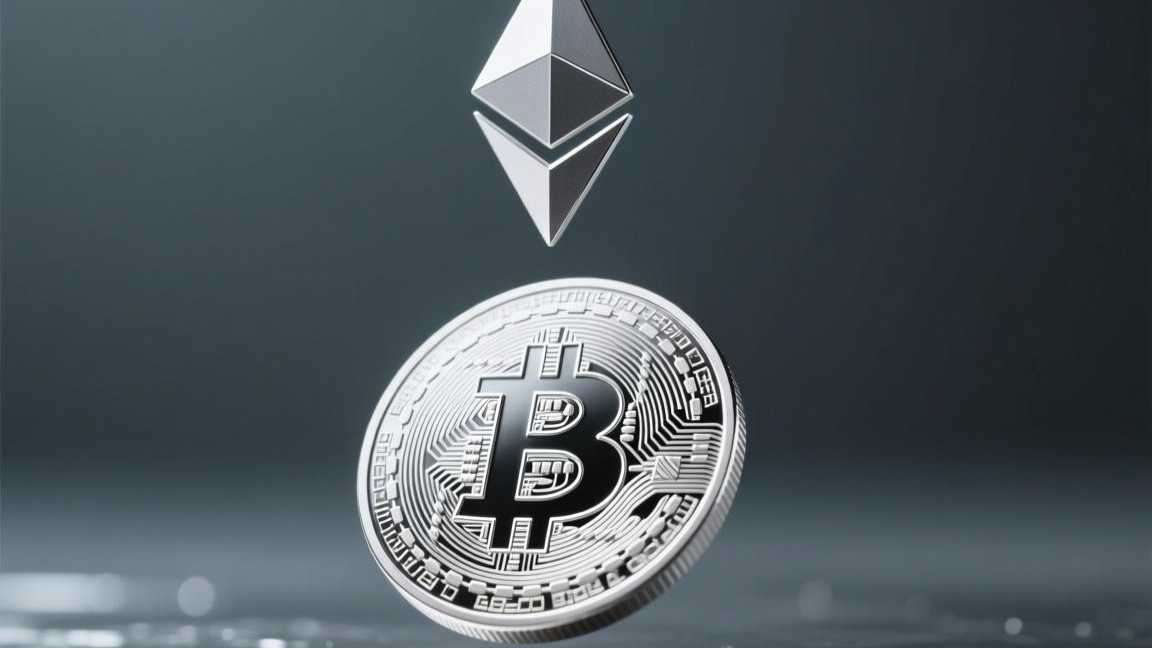
- Cryptocurrencies and Digital Assets: Bitcoin, the first blockchain-based cryptocurrency, introduced the concept of decentralized digital currency. Today, Ethereum and other platforms enable the creation of smart contracts (self-executing agreements with coded terms) and non-fungible tokens (NFTs), which have revolutionized digital ownership. For instance, NFT marketplaces like OpenSea (an English-language platform) allow users to buy, sell, and trade unique digital assets, from art to virtual real estate.
- Cross-Border Payments: Traditional international transfers are often slow and costly due to intermediaries. Blockchain-based solutions like Ripple (used by banks such as Santander) enable near-instant, low-cost cross-border payments, facilitating global trade and remittances.
Supply Chain Management
Supply chains are complex networks involving multiple stakeholders, making transparency and traceability persistent challenges. Blockchain addresses this by providing an end-to-end, immutable record of a product’s journey.
- Traceability and Authenticity: Companies like Walmart (a U.S.-based retail giant) use blockchain to track food products from farm to shelf. For example, Walmart’s partnership with IBM Food Trust allows consumers to scan a QR code and access details about a product’s origin, processing, and delivery, reducing foodborne illness risks and ensuring authenticity.
- Logistics and Efficiency: Platforms like Maersk TradeLens (an English-language digital platform) leverage blockchain to streamline documentation and communication among shippers, freight forwarders, and customs authorities, cutting delays and costs in global shipping.
Healthcare
In healthcare, blockchain enhances data security, interoperability, and patient privacy—critical concerns in an industry where sensitive information is often siloed.
- Electronic Health Records (EHRs): Projects like MedRec (developed by MIT) use blockchain to give patients control over their medical records, allowing secure sharing with healthcare providers while maintaining privacy. English-speaking countries, including the U.S. and U.K., are exploring blockchain-based EHR systems to reduce administrative burdens and improve care coordination.
- Pharmaceutical Supply Chain: Counterfeit drugs pose a significant threat to public health. Blockchain platforms like IBM Blockchain for Life Sciences help verify the authenticity of medications by tracking their production and distribution, ensuring patients receive safe, legitimate products.
Digital Identity
Identity theft and data breaches are rampant in the digital age. Blockchain offers a decentralized solution for managing digital identities, giving individuals control over their personal information.
- Self-Sovereign Identity (SSI): Initiatives like Microsoft’s ION (Identity Overlay Network) use blockchain to create user-owned digital identities. In English-speaking regions, SSI is being piloted for applications such as voting systems, financial services, and border control, where secure, verifiable identities are essential.
- KYC/AML Compliance: Banks and financial institutions spend billions annually on Know Your Customer (KYC) and Anti-Money Laundering (AML) checks. Blockchain-based platforms like SumSub and Jumio streamline these processes by storing verified identity data on a secure, shared ledger, reducing duplication and fraud.
Challenges and Future Outlook
Despite its potential, blockchain faces hurdles, including scalability (e.g., Bitcoin’s limited transaction speed), regulatory uncertainty, and energy consumption (e.
Looking ahead, blockchain’s integration with emerging technologies like artificial intelligence (AI) and the Internet of Things (IoT) will further expand its applications. For instance, AI-powered blockchain systems could optimize supply chain predictions, while IoT devices could securely transmit data to a blockchain for real-time monitoring.
Conclusion
Blockchain technology has evolved from a niche concept to a global enabler of trust and efficiency. Its applications in finance, supply chain, healthcare, and digital identity demonstrate its ability to transform industries, while English-language platforms and projects highlight its international relevance. As challenges are overcome and innovation continues, blockchain is poised to play a pivotal role in shaping the future of digital infrastructure, driving a more transparent, secure, and interconnected world.

